

If you’ve watched Bang Energy disappear from shelves or heard rumors that it’s “gone for good,” you’re not alone. Small business owners and side-hustlers ask about big brands like Bang for a reason—it helps you spot supply trends, tackle distribution risk, and plan smarter. So let’s cut through the noise and break it down step by step, using Bang as a case study for business resilience, adaptation, and the cold reality of legal challenges.
Bang’s Big Shakeup: Vital Pharmaceuticals’ Bankruptcy
The first step is understanding how the story began to unravel. Bang’s parent company, Vital Pharmaceuticals (also called VPX), filed for Chapter 11 bankruptcy in October 2022. Bankruptcy here didn’t mean the doors slammed shut overnight. In business, Chapter 11 means a company asks the court for time to “reorganize” and pay back creditors while continuing to operate.
During this time, Bang Energy inventory remained on the market. Stores kept selling what they had, and new batches still rolled off the line. Why did VPX reach this point? A mix of huge legal battles, massive debts (close to $1 billion owed), and sharp sales declines—especially when old distributor deals broke down.
Tip: If you depend on one big partner for sales or delivery, always have a backup. A contract dispute or lost lawsuit can quickly turn into a cash crunch.
Legal Battles: Monster’s Lawsuit Hit Hard
Legal challenges can make or break a business—especially when the opponent is a giant like Monster Energy. Monster won a major lawsuit against VPX over false advertising and alleged theft of trade secrets. The damages: hundreds of millions of dollars that VPX was ordered to pay, sinking any chance the company had at a swift recovery.
When a big company loses in court, stop and ask:
– What will it cost to settle or appeal?
– Can you afford to keep paying lawyers if revenue drops?
– Will negative headlines hurt your main product lines?
For Bang, the answer was clear—the legal bill tipped their finances from struggling to unsustainable fast.
Bankruptcy Doesn’t Always Mean “Dead”: Sales Continue
Bankruptcy for a brand is sometimes like pushing pause instead of stop. VPX’s bankruptcy plan let them keep selling Bang, repay debts slowly, and seek a buyer to take over operations. This is pretty common for consumer packaged goods (CPG) companies—a bankruptcy court will often allow ongoing business, hoping the company might stabilize or fetch a better price in a sale.
Tip: If you’re facing financial trouble, filing for Chapter 11 can buy you time with creditors. Keep an accurate cash-flow forecast. List your monthly obligations. Decide if you can sell assets, negotiate payment terms, or need a structured sale.
During this period, customers still found Bang Energy in some stores—but distribution became shaky, and older flavors started disappearing.
Monster Acquires Bang: The Brand Survives, the Company Changes
Here’s how Bang avoided complete shutdown. As part of VPX’s Chapter 11 process, the business and its assets (including the Bang brand) were put up for sale. Monster Beverage—already a leader with Reign, Monster, and other energy brands—bought Vital Pharmaceuticals’ core assets for about $362 million. That deal was approved mid-2023 and closed on July 31, 2023.
For entrepreneurs, ask:
– If you had to sell today, what’s really valuable (the brand, the formula, the production line)?
– Would a competitor pay a premium for your distressed business or cherry-pick assets?
Monster got the Bang trademark, a key production facility, and access to the formulas—but NOT the large portfolio of older VPX drinks or dozens of Bang offshoots.
When you’re ready for an exit, know what’s sellable and what buyers want most. Companies in distress may lose leverage, so having clean records and IP agreements is smart.
Life After Sale: Monster Slashes Bang’s Product Line
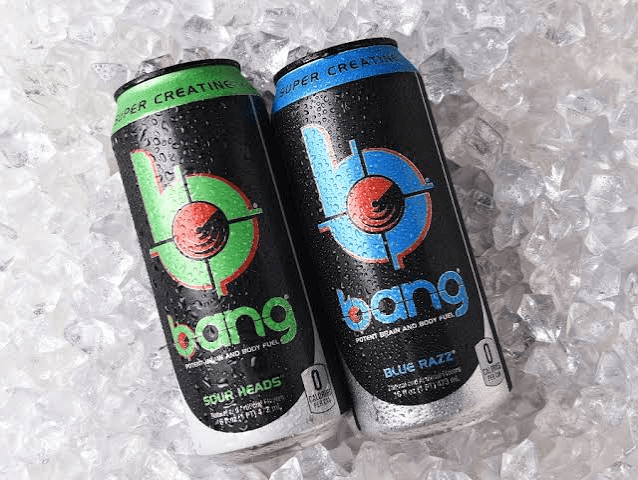
Monster wasted no time “rationalizing” (narrowing) the Bang line. All those wild flavors and spin-offs you saw in the past? Most are gone. Monster now focuses on a core group of about 12 main Bang Energy flavors—think top sellers like Rainbow Unicorn, Star Blast, or Blue Razz.
Anything outside the main energy drink line, such as Bang MIXX Hard Seltzer or Natural Bang, disappeared from production. Monster sticks to what sells best, then scales it with their own national distribution.
If you run a product line, take these lessons:
– List your highest-margin products. Do they cover fixed costs (rent, payroll, core inventory)?
– Run a quick Pareto check: Which 20% of your SKUs drive 80% of your revenue? Cut or pause the underperformers.
– Plan seasonal tests, but keep core offerings simple and available.
Many loyal Bang drinkers noticed the changes immediately. Social media tracked missing flavors and compared new cans to older VPX stock. This kind of re-focus is common post-acquisition, as the new owner prioritizes efficiency and supply chain strength.
Can You Still Find Bang? Current and Future Availability
This is where questions from entrepreneurs come in—what happens to supply chains, retail agreements, and customer demand after a big transition?
Here’s what we see since the Monster acquisition:
– The main Bang Energy flavors are showing up again at national retailers and on Amazon, but usually just the select “core set.”
– Many stores, especially in smaller towns or rural areas, may have spotty inventory due to the reset in distribution.
– Some regions have shelf space for Bang, but fewer flavors—or the drinks move more slowly with less in-store promotion.
If you carry Bang (or a similar brand) in your own shop, gym, or vending route, ask your wholesaler or distributor about their new contract rules. Monster is streamlining delivery, so ordering from small “cash and carry” wholesalers could change. When you’re ready to restock, confirm:
– Which flavors are available?
– What are the minimum order sizes or automatic restocking terms now?
– Will pricing change under Monster management?
Consumer reaction ranges from relief (that Bang isn’t gone) to frustration (about lost favorite flavors). If your business relies on “cult following” products, watch for these cycles of shrinkage and regrowth after an acquisition.
Are There Regional Risks or Opportunities?
Depending on your region, Bang’s local presence may vary a lot. Some cities report near-full shelves, often at larger chains, while smaller stores might miss out due to stricter supply management. Online availability remains steady for the main flavors, but many fringe or experimental releases are no longer an option.
If you’re in a region where Bang is tough to find, consider testing alternative energy drinks, especially those with niche loyal fans. Monitor which brands your customers ask for consistently, then adjust your order sheet monthly.
Tip: Research trends via online reviews and forums. Customers often post their finds, which can point you toward untapped flavors or suppliers.
If you want broader insights into adapting your business to market shifts, resources like InBusinessPoint offer practical advice on inventory resilience and strategic pivots after product losses.
Lessons for Small Business Owners: Focus, Adaptation, and Brand Value
So, is Bang Energy “going out of business”? The answer is nuanced:
– The original company, VPX, filed for bankruptcy and lost control of Bang.
– The Bang Energy brand itself survived—a competitor (Monster) owns it and continues a slimmed-down version.
– Shelves are being restocked with the main flavors, but niche or limited-edition options are discontinued.
Here are a few things to consider for your own business roadmap:
– Always know which products are your “must keeps” during tough times. Build cash reserves for legal or disruption costs.
– Be ready to negotiate with new owners or suppliers if your main brand gets acquired.
– Watch for customer sentiment shifts—loyalty sometimes follows the brand, sometimes the variety. Stay nimble and collect feedback regularly.
– Major legal loss can change a business overnight. Get your paperwork right, avoid gray areas, and insure against worst-case outcomes.
For early-stage founders, resilience is less about creating “the next Bang” and more about being ready when change comes—through acquisition, legal trouble, or market swings.
Plan out “what if” scenarios before you need them. Set aside a “transition fund” for when your best-seller is suddenly cut by a distributor. Talk with peers, stay informed, and keep your options open.
Conclusion: Bang Energy’s New Chapter—and What It Teaches Us
Bang Energy isn’t completely gone—but it will never look quite the same. The brand survived bankruptcy and came under new control, offering a narrowed product range and requiring shoppers to adjust. For entrepreneurs, it’s a reminder: even big brands face sudden pivots.
Are you ready for similar shifts in your business? Check your contracts, keep your key products front and center, and always be prepared to simplify or source alternatives. Adaptation isn’t just a buzzword—it’s the step that keeps your doors open, whatever size your company may be.
Start by reviewing your product offerings and plotting contingency plans. If Bang’s story teaches anything, it’s this: control what you can, watch for legal pitfalls, and never take old supply chains for granted. When you’re ready, that’s how you build a business that outlasts even the biggest shakeups.
Also Read This: