

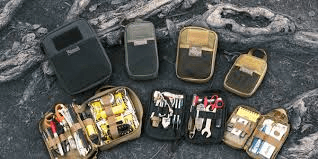
A confusing clearance sale or discontinued product launch can make any small business owner wonder if they’re next. For entrepreneurs, monitoring a favorite gear company like Maxpedition is both a matter of curiosity and a lesson. If you’re here asking, “Is Maxpedition going out of business?”—you’re not alone. Let’s break it down like you would for your business.
Current Business Operations
Start with the hard facts before reacting to rumors. Here’s how you run a basic company health check. Head to the official Maxpedition website. Can you place an order? Are the contact details live and working? Maxpedition checks these boxes. Orders process, contact info is up-to-date, and customer service is responsive—hallmarks of an operating business.
The second checkpoint is their industry presence. Trade shows are expensive and time-consuming, so only companies with ongoing interest attend. Maxpedition is listed as a registered exhibitor at the 2025 SHOT Show, the tactical industry’s biggest event. The exhibitor profile even mentions, “Maxpedition marks its 21st year in business in 2024,” and discusses continuous product innovation. That’s a powerful signal—they’re not pulling back but doubling down.
Next, look for direct leadership insight. In recent interviews, founder Tim Tang addresses Maxpedition’s trajectory. He references over two decades in business and talks candidly about future plans, new releases, and line expansions. That’s reassuring if you’re a fan—or if you want to model a business that adapts instead of disappearing.
So, what do these checkpoints teach you? Stay calm through vague rumors. Always gather data from primary sources before making moves—whether you’re buying stock, prepping a partnership, or just choosing your next gear.
Understanding Public Concerns
Why the panic? You’ll hear warning bells (true or not) every time a well-known business changes things up. For Maxpedition, concern snowballed after a cluster of discontinued lines and flash clearances.
On forums like Reddit, you’ll find threads titled “Is Maxpedition closing forever?” and “Why are so many products out of stock?” The main triggers:
– Big discounts and “final clearance” notices, often up to 40% off entire collections
– Popular product lines, like the AGR series, going away
– Fewer models listed on their website, and some users struggling to find old replacement parts
These observations have led some to wonder if Maxpedition is quietly shutting down its entire business. However, experienced community members often weigh in to say the evidence doesn’t add up to a total closure.
A few years back, similar rumors made the rounds when certain dealers announced “going out of business” sales. Here’s a detail worth checking in your own company research: many “clearance” events reflect a retailer liquidating Maxpedition gear from their own stock, not the whole company quitting. Confusing? Yes. But it’s a lesson—always clarify the source and scale of the change.
So if you see speculation based on disappearing SKUs or one-off sales, slow down and check with the company itself. In business, reflection beats panic every time.
Company Strategy and Actions
When a company drops a product line, it’s easy for outsiders to assume the worst. But often, this is basic business strategy—a way to cut costs, boost profits, and better serve a focused customer base.
Run your own “product audit” checklist, Maxpedition-style:
– Identify underperforming lines (in Maxpedition’s case: AGR, Entity, Prepared Citizen)
– Analyze costs vs. demand—are these lines still earning their shelf space?
– Decide: refresh, discontinue, or replace with something new
– Aggressively clear remaining inventory to free capital and space
This approach looks defensive from the outside but is proactive when your goal is long-term health. According to direct statements from founder Tim Tang, Maxpedition is intentionally retiring several lines that didn’t match their performance targets.
What’s next? Maxpedition isn’t retreating. They are pivoting by refreshing their core (legacy) lines and hinting at new launches in the near future. This is a classic example of “narrow to grow”—a tactic you might use in your own operation when too many SKUs spread your resources thin.
Keep this scenario in your business toolkit. Don’t fear discontinuations or pivots. Instead, see them as opportunities for realignment, stronger profit margins, and renewed relevance.
Verifying Maxpedition’s Status: How to Run Your Own Check
You can—and should—run a direct check on any business if it matters to your plans. Here’s a practical, step-by-step playbook you can adapt to any company:
1. Visit the company’s official website. Can you check out? Is customer service responsive? Maxpedition’s channels are open and ready (try phone or email for personal confirmation).
2. Research major industry events. Is the company listed in upcoming trade show exhibitor directories (like SHOT Show 2025)? Companies committing cash and effort to future shows almost always have ongoing business plans.
3. Look for leadership visibility. Are the founder or executives publicly speaking about future plans, expansions, or collaborations?
4. Scan official news and press releases for any mention of bankruptcy, closure notices, or statements about winding down. None exist for Maxpedition.
5. When in doubt, ask directly—most legitimate businesses will confirm major changes transparently if you contact them professionally.
Tip: Apply this checklist to vendors, suppliers, or partners in your own business. Surprises kill momentum, but clear confirmation puts you back in control.
When you’re ready to make big decisions—new partnership, bulk order, custom project—always do this status check yourself or delegate it to a trusted partner. Saves you hassle and reduces risk.
Conclusions and Key Takeaway
Let’s connect the dots, entrepreneur-to-entrepreneur. The rumor that Maxpedition is “going out of business” is fueled by classic warning signs: discontinued product lines, massive clearance pricing, and short-term gaps in product availability. But look past those triggers.
– The corporate website and order pipeline are well maintained.
– Customer service is responsive, not automated or shut down.
– The company is officially listed and paying to show at major industry events, like SHOT Show 2025.
– Tim Tang, the founder, is open on-record about ongoing development and future launches.
The best interpretation, supported by multiple independent checks, is that Maxpedition is restructuring—not closing. Their strategy is to phase out sluggish lines and refocus on legacy models and exciting launches, which, in business, is sometimes the healthiest move. If you’re a founder facing a similar situation, take a page from their playbook: trim what isn’t working, double down where you have momentum, and overcommunicate to your tribe.
A few things to consider for your own shop:
– Don’t panic at every aggressive sale or discontinued product. Check the company’s actual operations.
– Use trade show listings, founder interviews, and live ordering as proof before assuming a company’s fate.
– Remember, almost every established business goes through cycles of expansion and retrenchment—these are usually signs of adaptation, not collapse.
Curious about how other brands handle similar high-stress pivots? The business resource at InBusinessPoint breaks down real strategies for small business endurance, product line management, and growth—even under public scrutiny.
To sum up: Maxpedition is still operating. They’re clearing out old inventory, cleaning up the product lineup, and prepping for future growth. If you run your business the same way—by checking real data, listening to your customers, and focusing on your strongest offers—you’ll not only weather rumors but come out stronger.
If you’re scouting Maxpedition gear, or just searching for signs of business continuity, look to these concrete signals. When you’re ready, apply the same standards to your own brand and build business health on truth, not speculation. Success is rarely about avoiding tough decisions—it’s about making them with your eyes wide open.
Also Read This: