

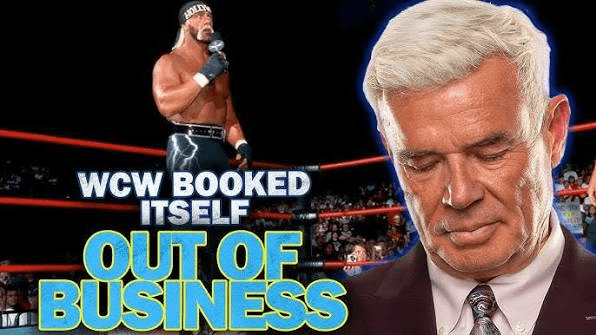
The first step in understanding if WCW is going out of business is to clarify what WCW was. World Championship Wrestling (WCW) played a huge role in shaping professional wrestling from the late 1980s through the 1990s. It introduced millions to new stars, big matches, and innovative storylines. However, if you’re asking about its status today, take note—WCW is not an active company at all. Instead, it already went out of business in early 2001.
Let’s unpack what happened, how those decisions were made, and what you—as a business builder or entrepreneur—can learn from their story. Use this roadmap to help sidestep similar issues in your own journey, whether you’re running a side hustle or growing a wrestling-themed business.
Closure of WCW
WCW’s last day as a business was March 26, 2001. That night, the final episode of its flagship television show, *Monday Nitro*, aired. This day is often remembered as the clear end of WCW as an independent company.
Shortly after, AOL Time Warner (the then-owner of WCW) sold the company’s assets to Vince McMahon’s World Wrestling Federation (now WWE). This included trademarks, video footage, intellectual property, and the contracts of certain wrestlers.
Why did this happen so quickly? When Turner Broadcasting, which owned WCW, decided to pull wrestling programming from its prominent cable networks (TNT and TBS), WCW lost its key platforms. Wrestling companies depend on TV exposure for revenue, advertising, and ticket sales—without it, the business model collapsed.
Reasons Behind WCW’s Closure
You might wonder, “Did one person or event cause WCW’s downfall?” The real answer is more layered. WCW closed due to a combination of three key forces:
– Massive financial losses that mounted over several years.
– Declining creative direction, which led to lower TV ratings and loss of audience trust.
– Corporate changes after the AOL–Time Warner merger, where new executives simply didn’t value wrestling as programming.
Understanding these root causes is critical. Whether you run a small shop or a multimillion-dollar company, these business risks apply to any industry.
Financial Struggles
Let’s break it down. By the late 1990s, WCW was losing millions every year. In 1998, the company reached its peak, but just two years later, it reportedly lost over $60 million in 2000 alone. If you’re running a business and see losses like this, take a step back and assess what’s draining your cash flow.
WCW’s major expenses included hefty contracts for aging wrestling stars, production costs for televised shows, and failed ventures into new markets. When revenue from ticket sales, TV ratings, and merchandise dried up, those losses became unsustainable.
Tip: Always set clear monthly revenue targets and track every cost—salaries, marketing campaigns, supplies. Don’t wait for a crisis to rework your budget. WCW waited too long to trim their spending and revise their contracts. Run a realistic forecast every 90 days and stay ready to pivot when sales dip.
Creative and Operational Issues
Here’s the brass tacks: Business runs on product quality. In wrestling, that means good storylines, fresh faces, and matches that get people excited to watch each week. WCW struggled in all three areas as the late 1990s rolled on.
– The company relied on established stars like Hulk Hogan far past their peak. New talent didn’t get a chance to shine, so the company failed to build the next generation of fan favorites.
– Storylines got confusing or stale, leading viewers to lose interest. The rival WWF, meanwhile, was launching the “Attitude Era,” which brought energy, risk, and new stars like The Rock and Stone Cold Steve Austin.
– Fans drifted away in search of new ideas. Ratings fell for WCW’s *Nitro* and *Thunder* shows, which lowered the value of advertising deals.
A few questions to ask yourself if you’re running a company: Is your product still solving a problem? Do your customers feel like there’s a reason to come back each week? If the answer is “no,” you’re not alone—that’s where WCW found itself by 2000.
Corporate Decisions and the Merger Impact
When AOL merged with Time Warner, everything changed. The leadership at Turner Broadcasting no longer saw wrestling as a fit for their new business strategy. Executives like Jamie Kellner at Turner Broadcasting didn’t want wrestling on their networks.
Tip: Stay alert for changes in corporate ownership or leadership. A shift at the top can change what’s considered “core” or “non-core” overnight. If a new boss, investor, or parent group has a different vision, they might cancel projects that don’t fit—no matter their past success.
For WCW, losing support from Turner meant a death sentence. Even if the company could have turned around creatively or financially, it suddenly had no network willing to provide television slots, and so, no visibility.
Consequences of Losing Prime TV Slots
TV slots are where wrestling companies build their brand and reach millions. When Turner cancelled both *Monday Nitro* and *Thunder*, WCW lost all access to a mass audience. Picture running a store and having the mall kick you out—there’s no easy fix. No TV meant no fans, no revenue, and no path forward.
Ask yourself: What’s your most important channel for reaching customers? How much of your revenue depends on one partner? Build a simple scenario list: what happens if you lose your biggest distribution platform tomorrow? For WCW, once TNT and TBS pulled out, there was nowhere else to go. The business became worthless almost overnight, which led directly to the quick sale to WWF.
The lesson: Never let one channel or vendor control all your reach, if you can avoid it. Diversify where possible, or set up contingency plans early.
WCW’s Legacy and Impact
Although WCW went out of business more than 20 years ago, its impact is still felt. Many fans, wrestlers, and promoters learned directly from WCW’s schedule, roster, and willingness to innovate. The Monday Night Wars (WCW vs. WWF) showed how competition pushes everyone to improve.
Several stars from WCW—like Chris Jericho, Rey Mysterio, and Booker T—later became champions in WWE. The tape library and trademarks, now owned by WWE, allow new generations to relive classic matches and unique storylines.
Tip: Study successful veteran brands. What did they do well before their decline? What mistakes cost them the most? Use those case studies when you make decisions for your own business—market strategy, hiring, or creative planning.
WCW’s story is explored in podcasts, documentaries, and forums to this day. If you want broader lessons about buying, selling, or holding on during industry shifts, take a look at the guidance over at InBusinessPoint—it offers step-by-step breakdowns for business owners tackling similar crossroads.
Conclusion
So—Is WCW going out of business? That’s a question from the past: WCW already shut down in March 2001 and sold its assets, trademarks, and tape library to the WWF. The company didn’t just “decline”—it went completely out of business due to a perfect storm of financial losses, creative decline, and executive decisions from new corporate leadership.
If you’re building a business today, you can use the WCW story as a checklist and warning. Run your numbers every month. Stay attuned to creative feedback; put your best product forward. Protect revenue channels and stay prepared for changes above your pay grade—new owners or partners might shift your future overnight.
When you’re ready to plan your next move, break it into small steps and keep risk low. Don’t wait until you’re losing millions to adjust your approach. Learn from others, track progress weekly, and use clear metrics to signal when it’s time to act.
WCW’s end was abrupt, but its legacy is inspiration—showing how much opportunity, and how much risk, comes from blazing trails in a creative business. Stick to facts, keep learning, and nudge your story forward, one decision at a time.
Also Read This: