

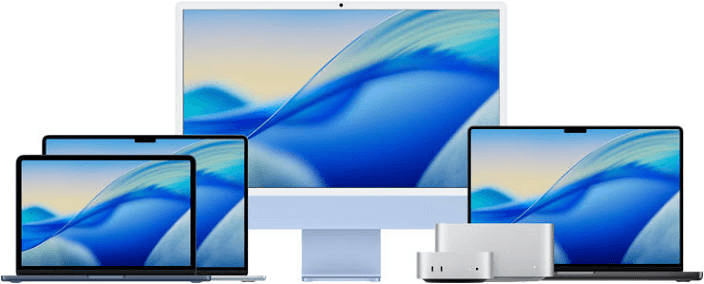
Thinking of starting or scaling a venture that relies on Apple’s Mac computers? Maybe you’re worried by news headlines or rumors online. Here’s how to cut through the noise and make smart, low-risk decisions around your Mac investment.
1. Introduction: Mac’s Current Position in Apple’s Business
Step one: Clarify the facts. The Mac business is not disappearing, but it’s no longer Apple’s top priority. The iPhone, Services (think App Store and iCloud), and wearables like the Apple Watch are the real powerhouses now. Mac computers, while highly visible and beloved by creative professionals, make up a smaller—but still significant—slice of Apple’s sales pie.
Ask yourself: How central is the Mac to your own work or venture? Is it a deal breaker if a specific model disappears, or do you have alternatives?
2. Mac Sales and Market Share: What the Numbers Say
Take action: Review the data, not just opinions.
– Mac sales have had some ups and downs. For instance, in a recent quarter (2026), shipments dropped about 1.6% year-over-year, hitting just under 2.7 million units in the U.S. PC market segment.
– Despite occasional dips, Apple still holds 16–17% of its main PC market segment, often beating rivals during downturns.
– On a global scale, Mac’s market share has hovered near 10% in recent quarters, with year-over-year shipment growth between 10–11% (about 6.7–7.3 million units).
So, is Mac shrinking fast? Not really. It’s growing in some markets while shrinking in others. Always ask: Who is reporting the decline? Are they comparing year-to-year sales, or focusing on one unusually strong quarter?
Now, let’s talk revenue. Mac brings in $7.9–$8.4 billion per quarter for Apple. That’s around 8% of the company’s total income. For context, the iPhone alone generates more than half of Apple’s revenue. Mac is much smaller but still a multi-billion-dollar line.
3. Commentary on Mac’s Future: Niche or Essential?
Keep this in mind: Just because tech columnists or bloggers say the Mac is “dying” doesn’t mean it’s true.
– Some commentators call Mac a “niche” or “boutique” product since it commands a smaller share of global PC sales.
– Others think Apple is shifting focus to iPads or mobile, pointing to Mac’s lower profile at Apple events.
These are editorial takes, not official plans from Apple. If you read a hot take about Apple “ditching the Mac,” check for official statements or product announcements first. Don’t confuse commentary with actual business decisions.
Ask yourself: If Apple leaned harder into iPad, would your tasks still require a MacBook or iMac? Do you use specialized software that only runs on macOS?
4. Recent Discontinuations in the Mac Lineup—What It Means
Here’s how Apple is pruning its offering, not exiting the market:
– Apple has discontinued certain models, like the Mac Pro tower (ending a long era for high-end desktops).
– The company stopped selling several low-volume or older Macs: for example, the 13-inch M2 MacBook Air, 13-inch M2 MacBook Pro, 2019 Mac Pro, and the Intel-based Mac mini.
– Some analysts question whether smaller-selling desktops, like the Mac Studio or updated Mac mini, might be at risk next.
But proceed calmly. These moves reflect streamlining and the shift from Intel to Apple’s own silicon, not a shutdown. When planning equipment purchases, always check Apple’s “compare” page before buying. Consider buying soon if you need a model that appears to be on its way out, or if you have compatibility needs.
5. The Health and Strength of the Mac Platform: Three Years On
Here’s where planning gets easier. The transition to Apple Silicon (M1, M2, M3 chips, etc.) has made Macs more powerful, energy efficient, and often quieter than before. Some experts say the Mac, three years into this shift, has never been stronger—despite sales normalizing after a pandemic-era bump.
New models continue to launch yearly. Apple pushes MacBook Air and Pro models to students, creators, and, crucially, businesses with enterprise programs and leasing deals.
A few things to consider:
– MacBooks now have longer upgrade cycles. These machines last. Many buyers keep them for 5+ years, which leads to fewer people replacing them frequently.
– Older models still get software updates for years, reducing urgent upgrade needs.
If you’re running a creative agency or managing a fleet of laptops, factor in the high residual (resale) value of Macs. Many organizations find that Macs, though pricier upfront, cost less over their lifetime when considering durability and secondhand value.
Tip: Run a quick total-cost-of-ownership calculation before buying 5+ devices. Estimate the resale value of your current Macs versus equivalent PCs.
6. Confusion with MAC Cosmetics? Set the Record Straight
Pause before you panic over “MAC” in news headlines. Some reports of “MAC’s decline” or “closing stores” actually refer to MAC Cosmetics—the makeup giant, not Apple hardware.
MAC Cosmetics, while facing challenges in beauty retail, has zero connection to Apple or computers. If you’re Googling Mac’s future and see beauty industry reporting, move on. Always check you’re reading about the right MAC.
Tip: If you see a forum or tech blog mixing up “Mac” and “MAC,” step in to clarify. It helps your peers avoid mistakes.
7. Conclusion: Mac’s Real Place in Apple’s Strategy
So let’s review your biggest questions:
– Is Mac going out of business? No, not at this time.
– Has Apple killed some Mac models? Yes—mostly slow sellers, legacy, and Intel-based Macs.
– Is Apple still developing new Macs? Yes. Expect continued improvements around efficiency, features, and value for work and creativity.
Here’s your action plan:
– If your business depends on a specific Mac model, watch Apple’s product news and consider buying before a suspected discontinuation.
– For general business use, the Mac’s future looks stable—though upgrades may be less frequent as the platform matures.
– Run cost-benefit analysis before large Mac deployments. Consider both initial price and resale value.
– If you only need basic computing, weigh whether an iPad (with keyboard) covers your workflow—especially if Apple tilts more attention there long-term.
Tip: Don’t let rumors dictate decisions. Use data, watch direct Apple announcements, and reevaluate yearly. This keeps stress lower and helps your business adapt quickly.
Looking for more small business insights and practical tools? Explore resources like InBusinessPoint for guides that help you make smarter tech choices and manage change without unnecessary risk.
Bottom line: The Mac business is far from over. It’s evolving—sometimes quietly, sometimes dramatically—but it remains profitable and a reliable choice for entrepreneurs, creators, and professionals. When you’re ready to upgrade or expand, plan for change, review your needs, and keep your eyes on the data, not just the headlines. That’s how you stay one step ahead—no matter where Apple goes next.
Also Read This: