

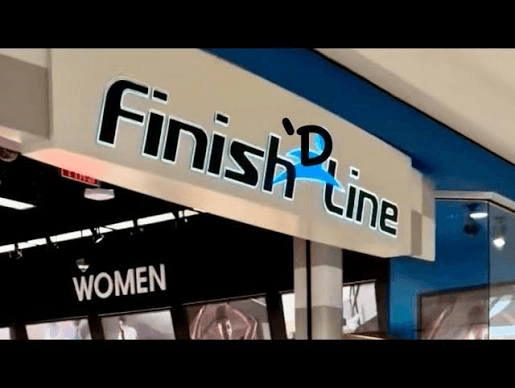
People often ask: “Is Finish Line going out of business?” If you’ve walked past an empty storefront at your mall, that question makes sense. Maybe you noticed a giant “store closing” sign or got an email about your local Finish Line shutting its doors for good. It’s easy to assume the whole company must be in trouble.
But here’s how the facts line up: Finish Line is not shutting down completely. Instead, the Finish Line you remember—lines of sneakers, college gear, rows of athletic shoes in the mall—has changed dramatically. But “out of business” isn’t accurate for the company as a whole.
Let’s break down exactly what’s happened, why you see so many closures, and what the Finish Line brand looks like today. This approach is clear and step-by-step, just like you’d want as a business owner learning from the story.
Finish Line’s Transition Under JD Sports
The first step toward understanding Finish Line’s real situation is knowing about the JD Sports acquisition in 2018. JD Sports Fashion plc, a global sports retailer based in the UK, bought Finish Line for about $558 million.
Think of it like a larger competitor buying out a familiar mid-market player. Finish Line didn’t declare bankruptcy. Instead, it became part of JD Sports’ U.S. growth plan.
Here’s how that works:
– JD Sports wanted to quickly boost its presence in the American athletic retail market.
– Rather than start from scratch, they bought an existing, trusted brand with hundreds of locations.
– Finish Line locations—especially at malls—were seen as a gateway for JD Sports to reach U.S. consumers.
What does this mean for you? If you’re watching a competitor in your own industry get bought by a bigger brand, you’re seeing the same pattern.
A quick example: Imagine a local coffee shop gets bought by a national chain. The shop doesn’t disappear overnight, but over time, you might see new branding, new products, or a website redirect. That’s what’s happening here with Finish Line and JD Sports.
Store Closures and Strategic Restructuring
Before the sale, Finish Line was already making tough moves. Starting back in 2016, they announced plans to close as many as 150 stores—about a quarter of their roughly 600-store base.
The reason? Improving profitability. Like many legacy retailers, they faced rising rent costs, changing consumer shopping habits, and fierce online competition.
Here’s a step-by-step look at how they handled it:
1. Identify underperforming locations using sales data.
2. Announce each closure well ahead of time (sometimes six months or more).
3. Redirect customers to nearby locations or to the online store.
4. Cut operating costs and reinvest in digital commerce.
Ask yourself similar questions if you run your own business:
– Which locations actually lose money or drain team bandwidth?
– Can a customer be served online or from another site?
– How quickly can you close sites without damaging the brand?
One common pattern: Many sales from closed stores ended up shifting either to nearby Finish Line or JD Sports shops, or directly to the company website. This is textbook retail restructuring, not a total shutdown.
Public Perceptions of Finish Line’s Fate
This is where confusion creeps in. When your neighborhood Finish Line closes, it feels like the entire company is quitting. You might tell friends, “They’re going out of business—I saw the going-out-of-business sale myself!”
But the reality is more nuanced. Here are a few reasons people think Finish Line failed:
– A local closure looks dramatic. Empty shelves and clearance sales stick with shoppers.
– Few companies put up a sign explaining, “We are closing this store, but our brand is alive elsewhere.”
– When the store is replaced with a new logo (JD Sports), it seems like the old brand is gone forever.
Let’s put it in small business terms. If you close one of your café locations but keep the main store open and thriving, customers from that area might believe “the company is done.” But you know it’s just a strategic move. That’s Finish Line right now—perception lagging behind actual business strategy.
Tip: Whenever you restructure or rebrand, communicate clearly with your audience. Use direct mail, social media, or even physical flyers to spell it out: “We’re not leaving; we’re evolving.”
The Current State and Presence of Finish Line
So, where does Finish Line exist today—and what does the brand look like?
Finish Line as a Brand Inside JD Sports: The Finish Line logo isn’t as visible in malls as it once was. Most standalone Finish Line locations have either closed or been rebranded as JD Sports stores. This means if you visit the mall, you might now see a JD Sports sign in the place you used to see Finish Line.
Online and Inside Macy’s: Finish Line products and branding still show up in some Macy’s stores, blended with JD Sports merchandise. If you shop online, you might see Finish Line listed as a branded shop on sites run by JD Sports.
A Digital Shift: The company is focusing more on e-commerce, letting customers shop athletic shoes, apparel, and accessories online.
– Want to buy Nike or Adidas sneakers? You’ll use JD Sports’ platform or find Finish Line options inside larger retail partners.
Here’s a quick checklist:
– Check your local mall directory. Do you see Finish Line or JD Sports?
– Visit the former Finish Line website. You’ll find it redirects or is heavily integrated with JD Sports’ digital storefront.
– Look for Finish Line shoes and gear on major online retailers. The selection is still there, but it’s filtered through JD’s digital experience.
– Watch industry news. All signs point to JD Sports wanting to streamline, not revive the old Finish Line brand as its own mall chain.
Reflection for entrepreneurs:
– Are there legacy brands in your industry that are worth acquiring, rather than rebuilding from scratch?
– How can you protect value in a transition, rather than lose loyal customers to confusion?
Tip: Always control your digital presence in the aftermath of mergers and acquisitions. Redirecting web traffic and clear messaging keeps your regulars in the loop.
Conclusion
Let’s recap for clarity: Finish Line did not vanish in a blaze of bankruptcy, nor was it a total liquidation event. Instead, the company embarked on a multi-year plan to close unprofitable stores and prepare for sale. JD Sports came in, acquired the business outright, and worked to merge the Finish Line footprint into a stronger, better-scaling U.S. retail chain.
If you’re a founder or shop owner, the lesson is direct—retail companies rarely disappear overnight. They adapt with store closures, mergers, and rebranding. Sometimes, their old name and branding fade, but their products and online reach live on under new ownership.
A few things to consider:
– If your favorite brand “disappeared,” run a quick Google or social media search. Often, it’s simply changed owners or changed focus.
– Watch for signs of “shrinking to grow”—like closing unneeded locations to reinvest in technology or better markets.
– Don’t panic at local closures. Customers move online, or follow a favorite brand as it becomes part of something bigger.
Think of Finish Line as a case study in modern retail survival. Instead of fighting the market, they found a strong partner, trimmed costs, and built a pathway for continued business under the JD Sports flag. If you’re curious how other brands are adapting or searching for resources on managing change in your own venture, here’s a helpful guide for small business owners you can check out.
When you’re ready to grow, adapt, or pivot, study stories like Finish Line’s. Plan for what’s next, communicate with your audience, and remember: Change doesn’t always mean the end. Sometimes, it’s the start of something more resilient. As you move forward, keep your strategy clear and your customers in the loop. That way, your brand can evolve—just like Finish Line did—in a way that works for you and your market.
Also Read This: