

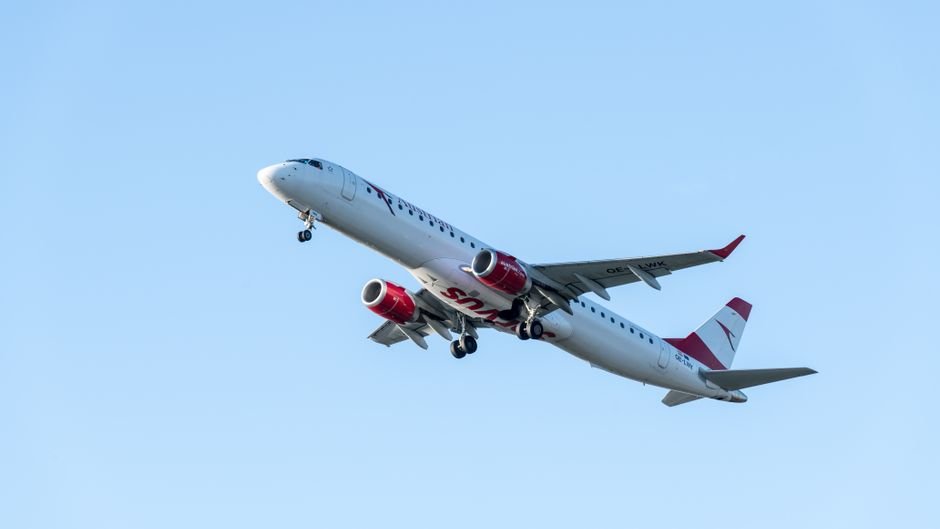
Set your expectations right as you research the question: “Is Air Wisconsin going out of business?” The first step is to clarify what you mean by “out of business” before you draw a conclusion. The answer isn’t as simple as yes or no. Here’s how you can break it down to make smart moves for yourself, your career, or your business planning.
Current Status: Busting the Biggest Myth About Air Wisconsin
Air Wisconsin is not shutting down in the legal sense. The company still exists. However, it has ended scheduled passenger flights, laid off most of its previous workforce, and changed its business model.
If you think of Air Wisconsin as that friendly Midwest airline serving travelers under the American Eagle banner—those days are pretty much over. Now, the business runs mostly charters and government flights, especially for federal agencies.
Major Changes in Operations: How We Got Here
You don’t want to base decisions on old news, so start with the most significant operational shifts.
- End of Major Airline Contract: Their capacity purchase agreement with American Airlines (flying as American Eagle) wrapped up on April 3, 2025. After that, they halted regular passenger flights.
- Workforce Impact: In early 2025, Air Wisconsin announced layoffs that affected over 500 workers across Wisconsin. More layoffs hit in the fall, with about 252 additional positions cut in Appleton and Milwaukee. That’s nearly everyone who handled scheduled passenger operations.
Run a quick check:
– Need a traditional pilot or operations job at Air Wisconsin? That door has probably closed.
– Looking for small business supplier contracts? Most prior purchases tied to regular airline ops have been reduced or ended.
– Trying to fly as a passenger from a Wisconsin airport? They’re no longer on the schedule.
Tip: Use this change as a signal to update your business or job search strategies—don’t wait on old opportunities that won’t come back.
New Business Model: From Passengers to Charters and Government Work
Next, look at the new direction. When an airline scraps its main contracts, it needs to find new revenue.
After the American Eagle deal ended, management said the airline would shift to:
– Charter flights (private on-demand flights, often for sports teams or corporations)
– Essential Air Service (EAS) routes, which are government-subsidized flights to smaller cities
Air Wisconsin explored these options quickly. For example, it planned to serve the Mid-Ohio Valley Regional Airport under an EAS contract. The company then decided not to launch, blaming the pending sale and missed operational goals.
Add this to your knowledge bank:
– Government contracts are less volatile than pure commercial flying. They offer more predictable income but usually require specialist skills and strict compliance rules.
– Charter flying, especially for the government, often supports roles like ICE (Immigration and Customs Enforcement) detainee or deportation flights. This can provide steady work even when traditional travel slows down.
Question for reflection: Would a niche change like this fit your own business if your main clients left? Sometimes it’s worth pivoting, but it changes your team, skills, and risk profile.
Ownership Changes: How Air Wisconsin Was Sold and Integrated
Big ownership transitions also affect what you can expect from a company. Here’s what happened:
1. Parent company Harbor Diversified signed a non-binding letter of intent in 2025 to sell the airline portion (including its FAA air carrier certificate and planes) to Premier Shuttle Holdings. That deal was open but not final.
2. Instead, by January 2026, New Mexico–based CSI Aviation actually bought Air Wisconsin. CSI is well-known for charter, government, and medical flights. It won a large federal contract—reported at about $1.5 billion—for ICE detainee transport.
When you’re ready to dig deeper, ask:
– Can your business or career adapt to serving new owner priorities?
– Will new leadership bring in other changes in technology, standards, or hiring?
– How will existing assets (like aircraft or facilities) be used going forward?
Air Wisconsin now fills a specific slot in CSI’s operation, mainly flying under part 121 (the federal airline safety rules for large charters). It isn’t filing for bankruptcy, and its certificate is still valid. The brand remains, but the mission is completely different.
Is Air Wisconsin “Going Out of Business” or Just Changing?
To answer this, break it into two pieces:
As an airline for regular passengers:
– Yes, that phase of Air Wisconsin has ended. They’re not part of everyday Midwestern travel anymore.
– You can’t book flights under the old model. Most staff roles tied to passenger service have been cut.
As a corporate entity or business platform:
– No, Air Wisconsin hasn’t disappeared. The certificate, a few planes, and IT systems moved to a new owner. The company shifted to what insiders call “niche government and charter flying.”
– Most activity now ties to federal contracts, especially ICE/detainee flights. Some extra charters serve college teams or groups as needed.
Check your risk tolerance. If you rely on big public-facing partners like this airline, plan for continuity in your business contracts and job applications.
Summary: Air Wisconsin’s Transformation Explained Simply
Define your terms before reacting. “Going out of business” sounds final, but here’s what’s really happened:
- Air Wisconsin stopped all scheduled passenger services when its American Eagle contract ended in April 2025.
- The company eliminated most of its workforce, especially in Wisconsin. Its Midwest presence almost vanished overnight.
- Multiple sale attempts happened. Initial talks with Premier Shuttle Holdings did not close, but the airline was acquired by CSI Aviation in January 2026.
- The Air Wisconsin name, certificate, and aircraft continue. But now, their main revenue comes from government charters, especially ICE deportation flights, and some charter work under CSI’s larger operation.
For anyone building a business or career, take this as a case example:
– When your main client goes away, what’s your backup? Air Wisconsin lost nearly all its revenue from scheduled flights and found life as a specialized contractor instead.
– Can you quickly cut fixed costs (like a big workforce or expensive equipment)? This airline made sharp, permanent layoffs to slim down.
– Are you ready to serve entirely different customers—even if some may not be in the public spotlight? Government work may be steadier, but it changes your market position and reputation.
Step-by-Step: What You Need to Know About Air Wisconsin’s Current Status
If you need a direct checklist to guide your next actions, use this:
- No scheduled passenger flights offered—Air Wisconsin no longer sells tickets to the public under American Eagle or its original brand.
- Most employees have been laid off, and their facilities in Appleton and Milwaukee are largely dismantled.
- The company was sold to CSI Aviation, which now uses the certificate and some aircraft mainly for federal government contracts, especially ICE/detainee flights.
- Charter flying may occasionally happen for other entities (like college sports), but public scheduled service is gone.
- As a legal business entity, Air Wisconsin operates within a new, smaller niche instead of the broader commercial market.
Run a quick check before you take any big step:
– Are you hoping to reconnect with Air Wisconsin as a public travel option? That option is gone for now.
– Looking for jobs, contracts, or business with the company? Focus only on their government/charter segment, or turn your efforts elsewhere.
Tip: For related business insights, there’s more context for adapting to change at InBusinessPoint.
How Can You Apply These Lessons?
Every business, even airlines, faces change when contracts end or customers disappear. Action steps for you:
– Document your biggest revenue source and list backup clients or products in case you lose them.
– Review fixed vs. variable expenses, and be ready to lower costs fast if needed.
– Think about unexpected market shifts, and stay open to niche work—even if it has a different reputation or requires new compliance steps.
– If selling or acquiring a business, research potential buyers’ strengths and their likely changes in business focus.
When you’re ready to act, keep your plan simple, measurable, and nimble so you can roll with the punches—just as Air Wisconsin did.
Conclusion: Know the Real Story Before You Decide
Don’t let rumors drive your next move. Air Wisconsin has not “gone out of business” in the strictest legal sense, but its original mission is largely finished. As a small business owner or job-seeker, use this story to strengthen your own plans:
– If your market or partner changes, be ready to pivot quickly.
– If you need information fast, cut to the core facts and update your strategy.
– Track what customers and contracts are worth in your own business, and aim for resilience, not nostalgia.
That’s how you’ll keep moving forward, reducing risk and spotting opportunity—one clear step at a time.
Also Read This: