

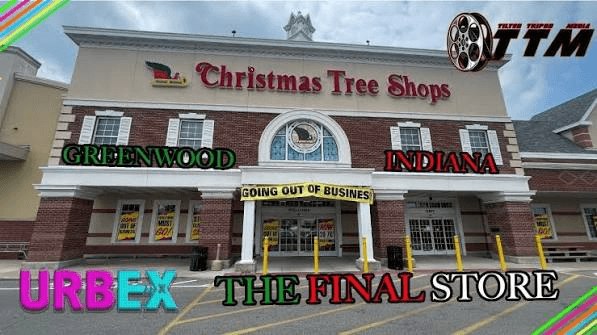
Let’s start with a quick check: Are you still searching for a Christmas Tree Shops location or wondering if you missed the last sale? Here’s the fact—Christmas Tree Shops is no longer in business. The company, famous for deals on home décor and holiday goods, shut down all locations in August 2023 after 53 years of operations.
Understanding why a recognizable retail brand like this closed can give you important lessons. Even strong businesses can hit unexpected bumps. So, what went wrong, and what steps led to the final closure? Here’s the straightforward sequence.
Bankruptcy Filing: The First Big Step
Every business owner needs to plan for challenges—both predictable and sudden. For Christmas Tree Shops, that moment came in early May 2023. The parent company (Handil Holdings) and Christmas Tree Shops itself filed for **Chapter 11 bankruptcy protection** on May 5, just days after their former parent, Bed Bath & Beyond, declared bankruptcy too.
Chapter 11 isn’t a death sentence for a business right away. It’s a restart button meant to restructure debts and give a chance at recovery. Think of it as hitting pause, assessing your debts, and showing creditors you have a plan. Unfortunately, that plan depends on a steady stream of cash, good sales, and a manageable debt load.
Initial Plans and Early Challenges
At the start, leadership took practical steps. The plan: Close about 10 underperforming Christmas Tree Shops stores, keep the profitable ones, and emerge as a leaner, stronger retailer by late summer 2023. On paper, this playbook makes sense. Cut losses, focus on what works, and rebuild.
But business never quite follows the script. Sales slipped further than the team predicted. Costs, from real estate to wages and supply chain, piled up. And crucially for any business in bankruptcy, the company began to run low on cash needed for daily operations.
Tip: If you’re managing a retail venture, always build a weekly sales tracking habit. Are sales stable or dropping? Are discounts hurting your margins? When numbers start to slide, take action quickly—waiting will only limit your choices.
Loan Default: The Tipping Point to Liquidation
Here’s where things accelerated. When a business files for bankruptcy, it often secures a special loan called “debtor-in-possession” (DIP) financing. For Christmas Tree Shops, this meant a $45 million loan to use during the reorganization. The catch? If you can’t maintain the lender’s requirements—like sales targets or minimum cash balances—you risk default.
Sales kept missing targets, and cash flow problems spiraled. By mid-2023, Christmas Tree Shops defaulted on its $45 million DIP loan. Loan defaults rarely end well. Lenders get nervous, courts step in faster, and restructuring plans often dissolve.
When you’re working through cash issues, always run a worst-case scenario: “What happens if sales drop by 30% next quarter? Can you still pay fixed costs?” If not, build contingency plans or seek support sooner.
The court and the company’s lenders pushed for a dramatic decision: **Shut down all stores and liquidate.**
Store Closures and Going-Out-of-Business Sales
Once liquidation starts, things move fast and public. Going-out-of-business sales rolled out across more than 70 remaining Christmas Tree Shops stores in over a dozen states. Discounts increased by the week—starting with 20-30% off, then 50% or more as inventories cleared.
Here’s a sample timeline:
– Late June 2023: The company filed court documents confirming a nationwide liquidation plan.
– July 2023: Most store locations hosted final closeout sales, with media and customers sharing updates on social media.
– August 12, 2023: News outlets reported this as the “last day” for customers to shop—marking the company’s end.
If you’ve ever managed a store closure, you know how much coordination goes into the process. Inventory shipments accelerate. Teams work overtime. It’s exhausting but crucial—each day open with empty shelves costs more. Staying agile in execution saves time and money.
Why Did Christmas Tree Shops Go Out of Business?
Now for the key reasons behind the collapse. A healthy business demands more than a beloved brand or loyal shoppers. Here’s what the court filings and experts highlighted:
- Macroeconomic Pressures: Persistent inflation, higher interest rates, and ongoing COVID-era retail slowdowns squeezed all mid-tier retailers, Christmas Tree Shops included.
- Falling Sales and Liquidity: Even after bankruptcy protection, sales failed to rebound. Cash gaps widened, leaving the company short on operating money each week.
- Loan Default: Failing to meet the DIP loan terms forced the chain from “try to survive” into “must liquidate now.”
- Legacy Headwinds: Takeovers and operational shifts following Bed Bath & Beyond’s collapse, plus stiffer competition in home goods retail, hurt the bottom line.
A few things to consider if you’re growing a retail business:
– Are economic headwinds (inflation, rates) pushing your costs up or hurting sales? Track these monthly.
– Do you have an emergency fund—or at least a borrowing option for sudden dips?
– Could industry consolidation or the collapse of a major partner ripple into your business?
Reflection prompt: List your three biggest financial “unknowns” this year. What would you do if each one hit by 20% worse than expected?
Final Status: Are Any Locations Still Open?
No, there are no operating Christmas Tree Shops stores anywhere today. Every location—big or small, city or suburb—locked its doors for good by August 12, 2023.
Here’s a quick way to check business viability for any brand:
– Search local news headlines for “store closure” or “liquidation.”
– Scan forums or business directories—if people report every location as “permanently closed,” that’s your answer.
– Check the company’s website or press releases: Does it mention final closure dates or asset auctions?
For Christmas Tree Shops, the chain’s own statements and national media all point to one fact: It is now **defunct.** If you’re researching opportunities in the retail sector, this is an example worth studying. Business websites like InBusinessPoint often track these closure timelines and offer case studies for entrepreneurs.
Lessons and Guidance for Your Business Journey
So what can you take from the shutdown of Christmas Tree Shops? Start by recognizing how even a beloved, long-standing chain can falter if financial risks go unaddressed.
Recap the key takeaways:
– Monitor Sales Closely: Make sales tracking a habit. Use spreadsheets or free tools to spot trends before they spiral.
– Plan for Liquidity Shocks: Always keep a 3-6 month cash buffer, or identify backup borrowing options before a crisis hits.
– Scrutinize Debt Terms: If you seek rescue financing, know the small print. What are the triggers for default, and what’s the backup plan?
– Benchmark Industry Trends: If you operate in retail or home goods, look at competitors’ recent announcements. Are store counts shrinking? Is your segment losing ground to e-commerce?
Example scenario: Let’s say you run a chain of gift shops in a small region. If your supplier (like Bed Bath & Beyond for Christmas Tree Shops) collapses or major sales dip, review your vendor list, diversify your product mix, and trim slow-moving stores early.
Tip: Set one financial target to focus your attention for the next quarter (for example, “reduce monthly cash burn by 20%”). Every key employee should know this target by heart.
Conclusion: The End of an Era—and What Comes Next for You
Christmas Tree Shops’ story finished with the permanent closure of all stores in mid-August 2023, ending a 53-year run. Retail dynamics, loan challenges, and shifting economic trends built up slowly, then all hit at once when the loan default forced a swift, all-in liquidation.
If you run or plan a business, use these lessons. Monitor cash daily. Prepare for downturns, even when sales feel steady. Ask tough questions early, not when you’re already in trouble. Adjust plans the moment red flags appear.
And if you’re simply on a deal hunt? Know that another seasonal chain or local outlet may now fill the gap. The world of retail will always change, and staying informed gives you an edge—whether you’re shopping, selling, or building the next trusted brand.
When you’re ready to take your own next step, apply at least one of today’s lessons to your weekly operations. Action creates momentum. And momentum is what keeps your doors—real or virtual—open through both the highs and the lows.
Also Read This: