

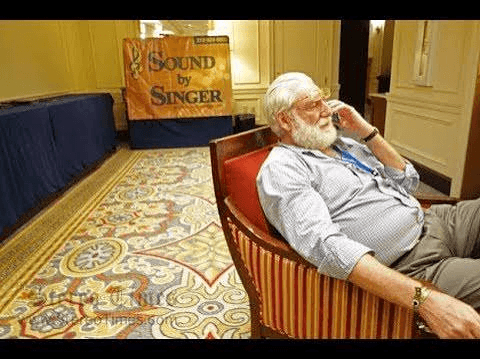
Thinking about big changes in the New York audio marketplace? Let’s lay it out step by step. Sound by Singer, once a must-visit for serious audiophiles, faces major uncertainty after the passing of its founder, Andy Singer. Here’s how you can break down what’s happening, why it matters, and what to watch for next—especially if you run, buy from, or admire legacy local businesses.
Introduction: What Was Sound by Singer?
Sound by Singer was a high-end audio retailer in New York City. The store specialized in premium speakers, amps, and luxury audio components for both die-hards and hobbyists. Andy Singer, the namesake and owner, steered the business for decades. He built his reputation through careful curation (handpicking best-in-class brands), honest demos, and service-driven advice.
When you’re studying retail, ask: what does the owner bring to the table beyond the products? In Singer’s case, deep product knowledge and a New Yorker’s sensibility—direct, no-nonsense, and fair—kept customers coming back.
A Quick Background on Operations & Locations
A few things to note about Sound by Singer’s physical footprint:
– The original store was near Union Square, in downtown Manhattan. This was THE spot in the late 20th century for audiophile shopping.
– Pressures from rising rents and changes in retail traffic forced Andy Singer to close that space years ago (long before the pandemic changed retail again).
– He didn’t quit. Instead, he shifted to a loft-style showroom near 8th Ave and 28th St, close to the Fashion Institute of Technology. This new space was on the second floor—unusual for retail, but it cut costs and kept operations nimble.
– By the 2020s, appointments were required, and signage was minimal. This is a good example of how niche sellers adapt when foot traffic shrinks or real estate costs spike.
Tip: If you run a small specialty business, don’t be afraid to downsize or tweak your model if big costs threaten your runway. A lean operation can survive shocks better.
Events Leading to Business Closure
Andy Singer died in April 2024 at age 73 after fighting pancreatic cancer—a major loss for the community and the store. When the face of a business passes, succession planning gets very real:
– Singer’s wife took over urgent responsibilities, including liquidating high-end stock and demo equipment with help from industry contacts.
– The liquidation is offering up to 50% off, which signals urgency (cash out fast, settle affairs).
Pause and reflect: What would happen if your business lost its central figure? Do you have a continuity plan or at least a roadmap for liquidation if needed?
No plans have surfaced to keep the retailer open. Reports and expert sources consistently mention that there is no clear indication anyone will continue “Sound by Singer” under new leadership. This is a pattern in specialty retail when the brand and owner are tightly linked.
Current Situation: Inventory Sales and Uncertainty
Let’s break down what’s happening right now:
– Demo gear and remaining inventory are selling quickly at major discounts. If you’re a buyer, this is when bargains appear—but only for a limited window.
– There’s no replacement owner, no announced manager, and no public plan to continue doing business. Statements like, “It is possible that nobody takes over for Andy,” reflect this looming closure.
– The industry is watching. Comments from peers and coverage in hi-fi circles are somber about the “attrition in the New York City audiophile marketplace.”
If you sell in a niche—say, musical instruments or specialty tech—watch how a respected peer’s closing is handled. Take notes:
– Is liquidation fast or dragged out?
– Who’s managing customer records and warranties?
– How is messaging handled to keep trust with the community even as doors close?
For Sound by Singer, the signals all point in one direction—the business as we know it is ending.
Community and Industry Reactions
Obituaries for Andy Singer have detailed his impact not only on audio retail, but on thousands of music lovers who trusted his ear and advice. Let’s review the main community responses:
– Customers and local audiophiles call his passing “the end of an era.” This is the language you’ll see when an owner embodies their business so completely that the brand cannot survive without them.
– Competitors and industry voices agree: with Andy’s death, New York City loses one of its last authentic “listen before you buy” stores for high-end stereo.
– People notice that the store’s future “has yet to be disclosed,” but many now speak about it in the past tense.
Here’s a checklist for when this happens in your field:
– How are loyal customers informed?
– Are there efforts to transfer relationships, or just close up quietly?
– Do local press or forums commemorate the history?
– What is the impact on the rest of the market (is there a vacuum, or do competitors quickly fill in)?
Think of it as a case study: what does your business stand for, and who will care when it’s gone?
Conclusion: Is Sound by Singer Really Going Out of Business?
Here’s where we stand:
– The founder and critical decision-maker—Andy Singer—has passed away.
– Existing inventory is being sold off at significant discounts; this is active, urgent liquidation, not a routine sale.
– The store has no successor owner or manager. No plans to keep the name alive have been shared.
– Community and trade comments all treat the closure as both factual and final, even if there’s no splashy “we are closed forever” announcement on the website.
So, while there hasn’t been an official “We Are Closed” press release, every key signal says: yes, Sound by Singer is going out of business.
If you’re building your own venture, use their story as a checklist:
– Have a clear succession plan—even if you don’t expect to need it soon.
– Inventory liquidation is tough. Don’t wait until crisis forces big discounts.
– Communicate transparently with your core buyers, vendors, and staff—they’ll remember how you handle the end as much as the heyday.
Ready to protect your own small business? Prepare now, while the outlook is good, rather than hoping “this can’t happen to me.”
Frequently Confused “Singer” and “Sound” Companies
Sometimes, confusion arises because of similar brand names. A few clarifications:
– Singer Corporation (sewing machines): This is unrelated. Though the historic Singer sewing company had financial troubles, it survives under SVP Worldwide. The Singer brand is still active worldwide, making modern sewing tools.
– sound.xyz: This Web3 music/NFT platform, common in recent tech news, is also unrelated. The service went offline in January 2026.
– If your interest is actually in another “Sound” or “Singer” business, run a quick web check or confirm with official sources before making decisions or spreading news.
Tip: Always distinguish between legacy brands and local businesses sharing similar names—many have entirely independent paths.
Steps if You’re Facing Your Own Closure or Transition
Let’s turn lessons into actions with a practical checklist:
Inventory and Asset Assessment
List all major equipment, demo units, and inventory. Decide between liquidation (“sell quickly, accept discounts”) or arranging a buyout with a competitor.
Notify Stakeholders
Prepare clear messages for your customers, suppliers, and staff. Consider a FAQ to handle warranty, service, or support issues.
Handle Legal and Financial Tasks
Consult an attorney on obligations (leases, debts, employment contracts). Settle outstanding taxes or payroll. Don’t leave these details for your family in an emergency.
Preserve Your Legacy
Document what worked and what didn’t. Pass on lessons or contacts, even if you’re not keeping the business alive. Local forums, community tribute posts, and customer testimonials can all help keep memories positive.
Explore a Sale or Dissolution
If you have something unique (IP, client list, reputation), see if there’s a buyer. Consider listing on business-for-sale platforms like InBusinessPoint to find interested parties.
Plan for Closure
If there’s no buyer or successor, set a clear closing date. Offer special sales to clear out inventory. Thank your customers, both publicly and personally.
Reflection: Who would step in if you weren’t available tomorrow? Write one “emergency handoff” note and keep it with business records.
Key Lessons for Entrepreneurs and Owners
The story of Sound by Singer teaches practical points for every business owner:
– Make yourself indispensable—but not irreplaceable. Document key processes.
– Small business succession is rare but worth serious planning.
– Community matters. Leave on the best possible terms.
– Know your market cycle. If the owner is the brand, closure may be the best (and most dignified) option.
– Don’t be afraid to adapt your model: reduce expenses, go appointment-only, or embrace online sales when physical retail stumbles.
Planning ahead can save your family, staff, and community endless stress. Whether you’re just starting out or have run your shop for decades, sketch out basic exit options now. That way, no matter what life brings, your legacy—and maybe your business—will be in safer hands.
When you’re ready for more step-by-step advice on selling or structuring your business, platforms like InBusinessPoint offer guides and listings to get you started.
In summary: Sound by Singer, respected and unique, is going out of business, not because of bad products, but because the founder’s vision and leadership could not be replaced. Are you ready to take practical steps so your own business isn’t left in similar limbo? Start today—plan for the future, protect what you’ve built, and when the time comes, let the transition be as dignified as your best years in business.
Also Read This: