

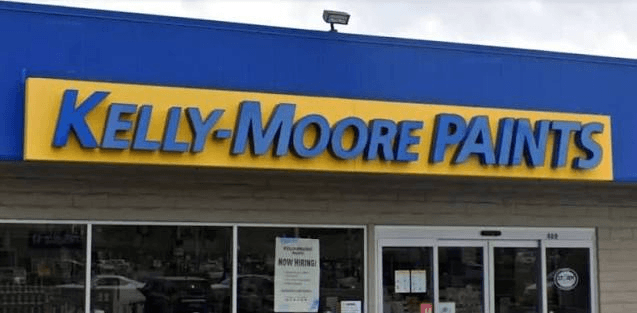
Thinking about starting or scaling a paint supply business? Here’s a case you need to understand deeply. Kelly-Moore Paints, one of the major names in the U.S. paint industry, is no longer a competitor—you can cross them off your worry list. That’s because, in January 2024, Kelly-Moore Paints announced it was shutting its doors for good.
This was not a slow fade—there’s no “going” out of business here. The company has already wound down and permanently stopped all operations. If your competitor list or supplier options needed a refresh, now’s the perfect time to update them. Let’s walk through what happened, why it matters, and what you can learn from their situation to protect your own venture.
Details of Business Shutdown
So, what specifically happened? The first step for Kelly-Moore was to immediately close all its retail stores and manufacturing locations. This happened overnight, not as a slow exit. Over 150 outlets, including their well-known Hurst, Texas manufacturing plant, were shut.
The CEO called it an “orderly, out-of-court wind-down.” Translation: No bankruptcy protections, no drawn-out court process. They didn’t file Chapter 11 or attempt a reorganization. Think of it as quickly unplugging every segment of the operation, except for one thing—fulfilling existing orders from what remained in the Union City, California distribution facility.
Were you in their supply chain, or did you depend on their inventory? You would have gotten only the products they already had on hand. No fresh production, no special runs, and no new accounts taken. And if you were an employee? Everything stopped, with severance and next steps varying by state and tenure.
Reasons Behind the Closure
Why did such a historic paint company call it quits so suddenly? It came down to massive, long-term legal and financial problems no business plan could patch up.
Let’s break down the key drivers:
– First, Kelly-Moore faced ongoing lawsuits related to historical asbestos use. Over four decades, the company paid out roughly $600 million in settlements—all for products sold back in the 1970s and early 1980s.
– On top of past payouts, Kelly-Moore estimated at least $170 million in future asbestos liabilities still hanging over the business.
– Add to that several million dollars in unpaid sales and use taxes, another inherited legal bill from years before.
– All these liabilities scared off every potential investor or buyer. No one wants to walk into massive legal obligations with no clear exit.
Here’s a scenario to consider: If your monthly cost overruns kept growing, and every potential backer walked the moment they saw your books—what options would you have left? For Kelly-Moore, the answer was grim. They didn’t own their main facilities (they leased them). Their assets barely covered daily expenses, let alone the pile of debts. The only real option was to shut everything down and pay out what little they could.
Impact on Employees and Locations
Next up: staff and site closures. Making this kind of exit means big changes for real people, who suddenly need to plan next steps.
Here’s what the shutdown looked like:
– 700–1,000 employees were affected, including everyone from store managers to delivery drivers to plant technicians.
– All 150–157 retail locations—spanning California, Texas, Nevada, Oklahoma, and more—were shuttered for good. If you visited a Kelly-Moore store in December 2023, it might be an empty storefront now.
Tip: If you’re running a business with multiple locations, regularly assess what would happen in a worst-case scenario. Where are your leases? Will your team get severance? Who will notify the customers? Simple checklists, reviewed twice a year, can save you countless headaches when conditions change.
If you were a Kelly-Moore customer (a contractor or small shop), the closure meant sudden sourcing headaches. Orders got filled only if items were already warehoused; after that, it was “sorry, we can’t help.” If you’d planned on a spring repaint, you’d need a new vendor—now.
Final Status of Kelly-Moore Paints
To clear up confusion: Kelly-Moore Paints isn’t just downsizing or regrouping—it’s closed for good. There is no reorganization or Chapter 11 process in progress. The leadership issued a direct statement: “We are out of money and out of options.”
If you’re tracking this for your market research or vendor negotiations, be precise in your notes. The company’s ceasing is permanent. No new paint formulas, no promise of a “restart” in six months, and nothing left to acquire except maybe a few vacant leases and some unclaimed inventory.
Run a quick check: who filled Kelly-Moore’s shoes in your region? Which competitors picked up their commercial clients? Study these shifts, and you can spot gaps where your own business could grow without much extra risk.
Conclusion
Here’s your summary checklist, whether you’re a supplier, entrepreneur, or local business owner considering what lessons to learn:
– Kelly-Moore Paints is not operating in any form as of January 2024.
– The shutdown happened quickly and permanently, not through a typical bankruptcy or “wait and see” period.
– The primary cause was a mountain of legal and financial liabilities, especially from decades-old asbestos lawsuits and unpaid taxes.
– Losing 150+ stores and up to 1,000 specialized staff is a major event—if you’re in this industry, you’ve already seen ripple effects.
– No new investment or business reorganization is expected. The firm’s assets are being liquidated to pay creditors when possible.
Plan next steps in your own business using this example:
– Regularly review what long-term liabilities could threaten your company. Don’t let “inherited” legal issues go unchecked.
– List your fixed costs, debts, and any ongoing lawsuits or tax bills every quarter. Know your numbers, not just your sales targets.
– Keep your customer communication plan up to date for emergencies—a single email or phone call can save years of goodwill.
Thinking big picture, Kelly-Moore’s exit shifts market demand. If you provide paint, tinting, brushes, or coatings, this is a prompt to map your new opportunities. Contractors, remodelers, and commercial buyers all need replacement sources. Research what customers valued about Kelly-Moore and see where you can fill those needs—fast shipping, premium finishes, large-batch supplies, or easy terms.
When you’re ready to build out a plan to capitalize on industry changes or manage risks more tightly, talk with other business owners or check out resources designed for entrepreneurs at inbusinesspoint.com. Get concrete checklists, templates, and next steps—no jargon, no fluff.
The Kelly-Moore Paints story is a reminder: big companies can fall. Legal issues from decades ago or missed investor cues can catch anyone off guard. Build your business with a clear eye on liabilities, cash flow, and contingency plans—and you’ll skip many of the landmines that took down this industry giant.
So, as you consider your own next steps, ask: Are there any ticking time bombs in your operation? What’s your plan if a major customer or supplier disappears? Stay practical, review your risks quarterly, and you’ll be ready for whatever comes next.
Also Read This: